Deprecated: Methods with the same name as their class will not be constructors in a future version of PHP; Blogger_Importer has a deprecated constructor in /home/wsms/vipproperty.com/public_html/wp-content/plugins/blogger-importer/blogger-importer.php on line 44

Warning: Cannot modify header information - headers already sent by (output started at /home/wsms/vipproperty.com/public_html/wp-content/plugins/blogger-importer/blogger-importer.php:44) in /home/wsms/vipproperty.com/public_html/wp-includes/feed-rss2.php on line 8
Istanbul “The City” – VIP PROPERTY https://v.wsms.me Best Property Deals Wed, 25 Nov 2020 13:52:59 +0000 en-US hourly 1 https://wordpress.org/?v=5.5.20 Istanbul ferries launch workout program for passengers https://v.wsms.me/istanbul-ferries-launch-workout-program-for-passengers/ Tue, 24 Nov 2020 12:31:53 +0000 https://vipproperty.com/?p=22729 Residents of Istanbul do not have much time for a

The post Istanbul ferries launch workout program for passengers appeared first on VIP PROPERTY.

]]>

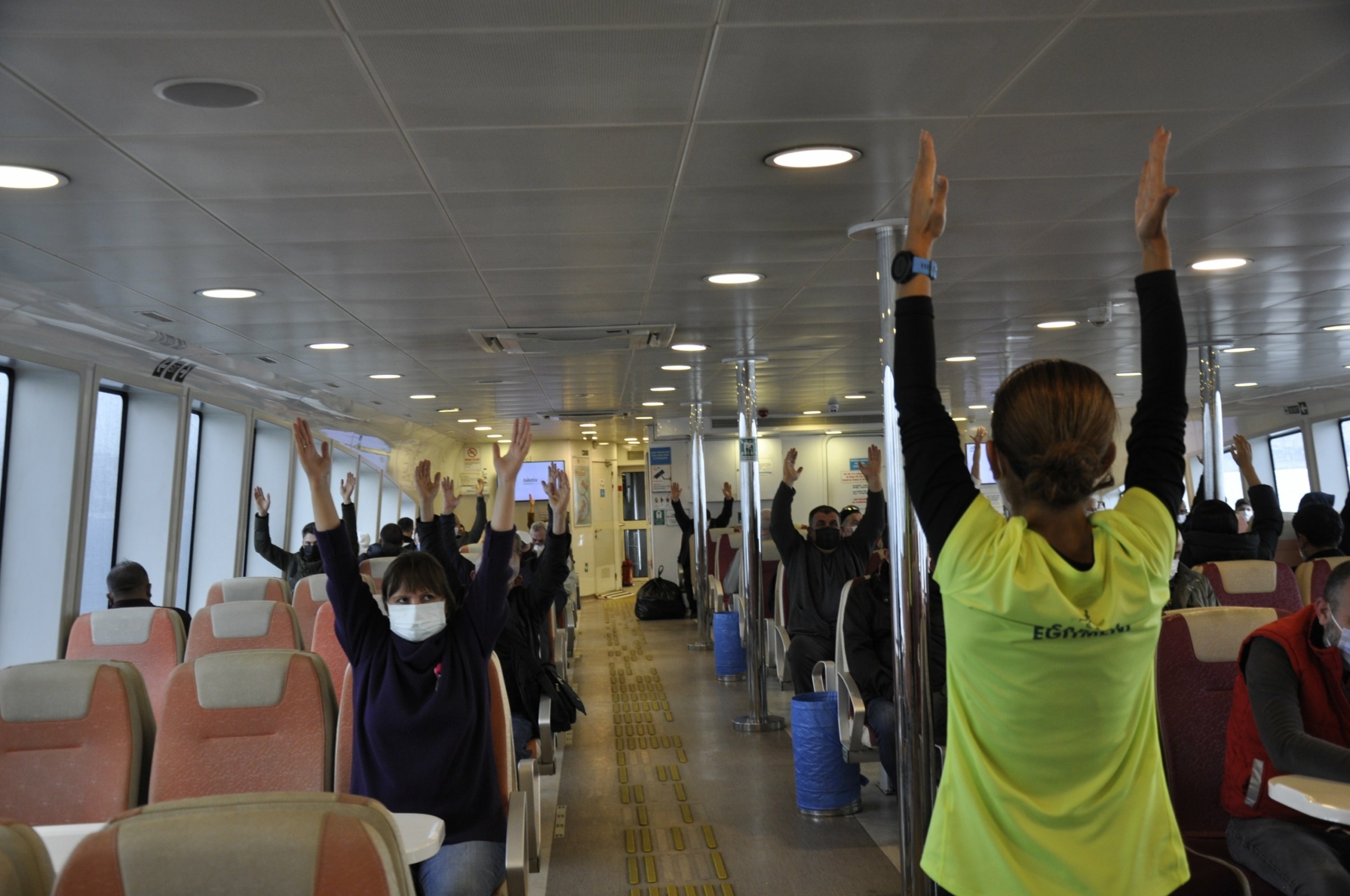
Residents of Istanbul do not have much time for a morning workout routine amid the hubbub of big city life. A new project aims to help them during the precious time they have during their day. “Sports in Ferry” launched by Istanbul City Lines, a branch of Istanbul Metropolitan Municipality (IBB) overseeing ferries operating on the Bosporus, has introduced ferry commuters to basic physical exercises they can do while traveling. Exercise instructors from Spor Istanbul, the sports department of the municipality, accompany passengers on their morning trips, teaching them exercises they can do without leaving their seats.

The project currently runs on ferry services between the Beşiktaş and Kadıköy districts on Monday between 8:45 a.m. and 10:15 a.m. and between Üsküdar and Eminönü between 9 a.m. and 11:05 a.m. on Wednesday. The IBB plans to expand it to other services soon.

Sinem Dedetaş, director of Istanbul City Lines, said in a written statement on Friday that the project sought to demonstrate easy physical exercises for passengers who can do them at home or at the office. “We ran a pilot project earlier and was motivated by the high turnout,” she said. Renay Onur, director of Spor Istanbul, said their purpose was to introduce sports to larger masses, and they were already running similar exercise programs in more than 60 parks and squares across the city.

The post Istanbul ferries launch workout program for passengers appeared first on VIP PROPERTY.

]]>
The world’s best cities to invest in property https://v.wsms.me/the-worlds-best-cities-to-invest-in-property/ https://v.wsms.me/the-worlds-best-cities-to-invest-in-property/#respond Thu, 16 Jul 2020 10:11:39 +0000 https://vipproperty.com/?p=18907 The world's best cities to invest in property

The post The world’s best cities to invest in property appeared first on VIP PROPERTY.

]]>
Istanbul has been rated as one of the best cities in the World for Investment by Telegraph.co.uk website.  

The post The world’s best cities to invest in property appeared first on VIP PROPERTY.

]]>
https://v.wsms.me/the-worlds-best-cities-to-invest-in-property/feed/ 0
10x Istanbul Investment Opportunity https://v.wsms.me/10x-istanbul-investment-opportunity/ https://v.wsms.me/10x-istanbul-investment-opportunity/#respond Thu, 16 Jul 2020 08:16:52 +0000 https://vipproperty.com/?p=18733 10x Istanbul Investment Opportunity

The post 10x Istanbul Investment Opportunity appeared first on VIP PROPERTY.

]]>

10x Istanbul Investment Opportunity,

33% Discount


https://vipproperty.com/landing-page/

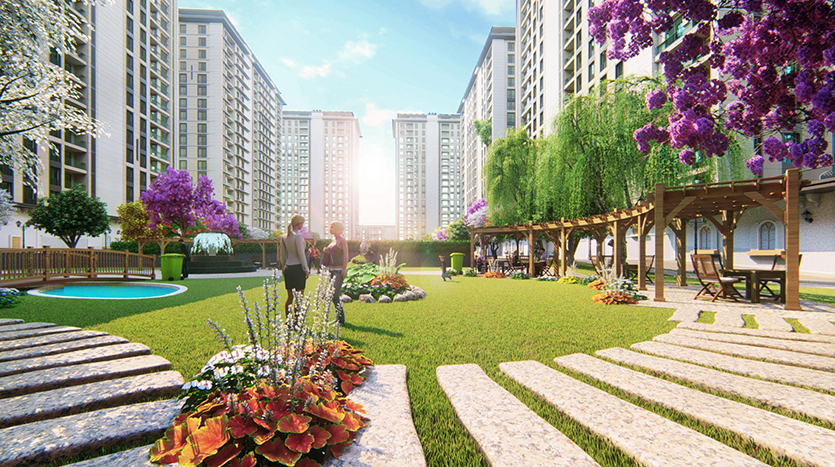
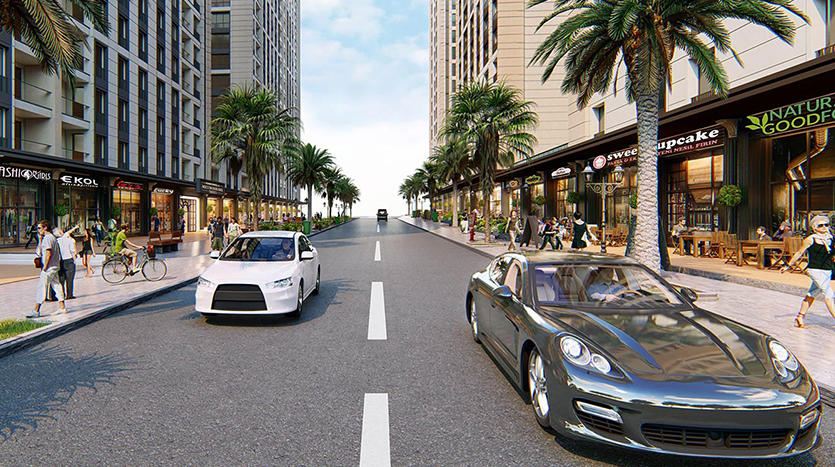
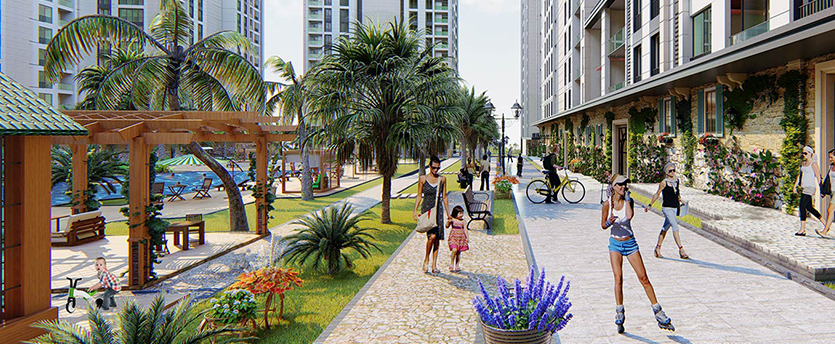
The project is located at the most central point of Beylikdüzü with the E-5, Metrobüs line and the Sefaköy – Tüyap Metro line. The Project takes place on the neighboring lot of the Yaşam Vadisi Park.

  • The project consists of 1693 residential units and 125 shops with a total of 14 blocks.
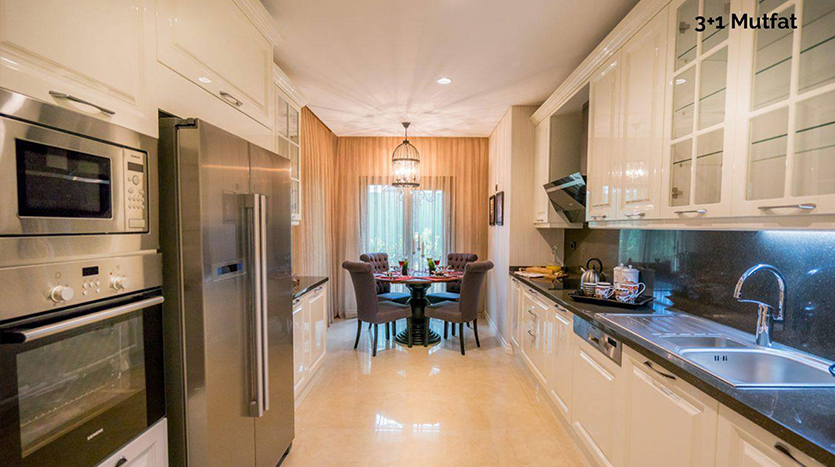
  • 1 + 1, 2 + 1, 3 + 1, 4 + 1 and Duplex apartments designed on a 43,682 m² land.
  • 1 + 1 2 + 1 apartments will be allocated 1 parking lot.
  • 3 + 1, 4 + 1 apartments for 2 cars.


https://vipproperty.com/landing-page/


https://vipproperty.com/landing-page/


Special Offer: Luxury Apartments in Istanbul at an Amazing Price:

Buy 10x units and catch the price: $999,000 now $670,000  (first come, first served)

The Project Features:
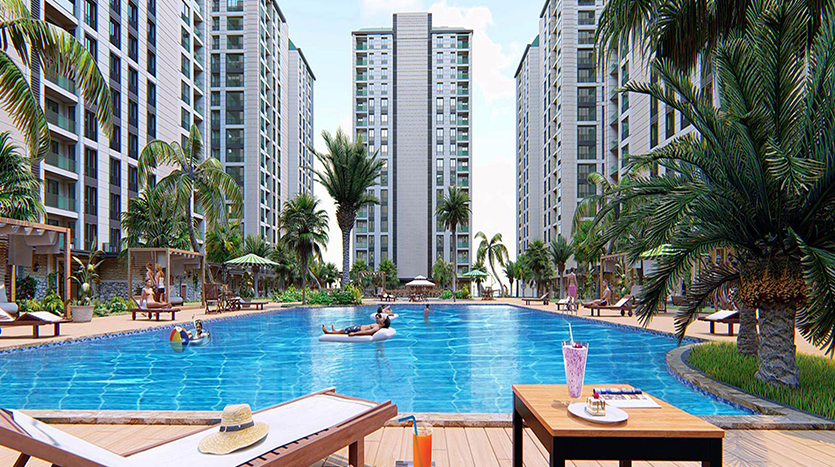
  • Fitness centers, Spas, Turkish bath, indoor and outdoor swimming pools and playgrounds for children. There are also cafeteria and restaurant areas.
  • The living areas are heated with a controlled floor heating system. Heating and cooling will be provided in all apartments.
  • Double glazing and heat insulated aluminum joinery will be used in order to make maximum use of landscape and sunlight.

Yaşam Vadisi Park


The Project is close to Yaşam Vadisi Park, with a size of 1 million square meters, it is considered one of the largest parks in Istanbul and in Turkey as a whole. 


https://vipproperty.com/landing-page/
     

Investment Offer


  • High ROI: with VIP Property your investment will grow in value while you’re getting a steady income as its rent value gets added to your bank account regularly with no effort.
  • Interest Free Payment Plans: 30% down payment + 36 months payment plan – or – 50% down payment +  48 months payment plan without any interest. 
  • Exchange Rates Advantage: Buy your apartment with Turkish Lira and earn more than %50 extra profit in next 3 years after your investment.


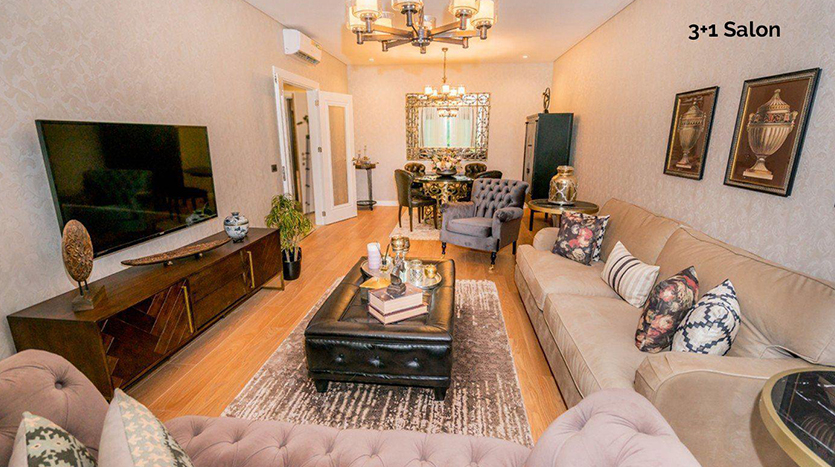
3+1 Living room


https://vipproperty.com/landing-page/


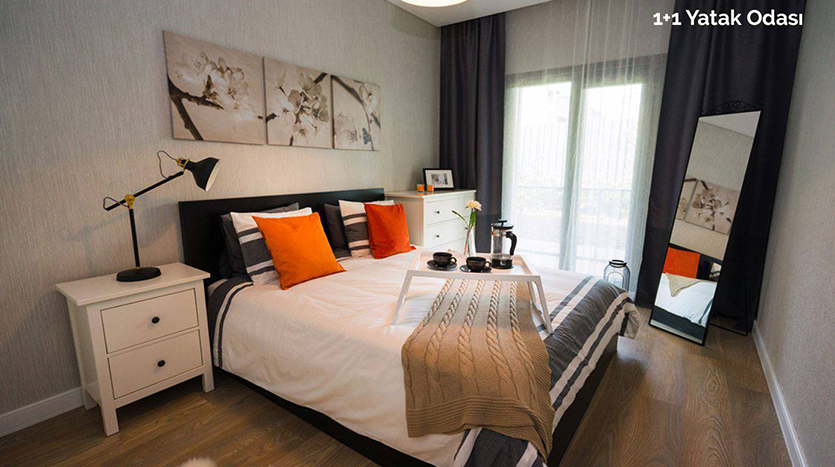
1+1 Bedroom


https://vipproperty.com/landing-page/


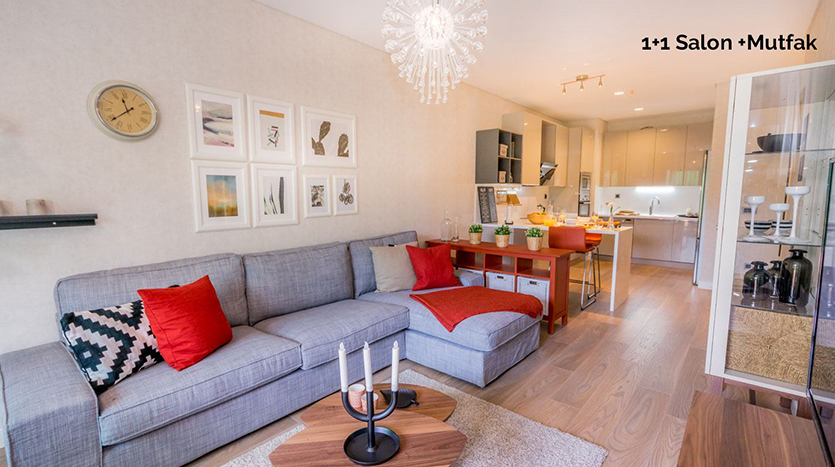
1+1 Living room


https://vipproperty.com/landing-page/


3+1 Kitchen


https://vipproperty.com/landing-page/


The post 10x Istanbul Investment Opportunity appeared first on VIP PROPERTY.

]]>
https://v.wsms.me/10x-istanbul-investment-opportunity/feed/ 0
Istanbul’s musical ferry can be a soulful experience https://v.wsms.me/istanbuls-musical-ferry-can-be-a-soulful-experience/ https://v.wsms.me/istanbuls-musical-ferry-can-be-a-soulful-experience/#respond Thu, 16 Jul 2020 08:04:20 +0000 https://vipproperty.com/?p=18676 Istanbul’s musical ferry can be a soulful experience

The post Istanbul’s musical ferry can be a soulful experience appeared first on VIP PROPERTY.

]]>
Istanbul’s musical ferry can be a soulful experience

It’s already one of the world’s most original commutes: The ferry trip between Istanbul’s European and Asian sides gives a daily quarter of a million passengers unforgettable views on their way to work.

Now the Turkish city is offering music to offset the seascapes, and for the amateur musicians providing it, it’s a chance to make some crucial money.

The musicians work hard to ensure their music reflects Istanbul’s unique position.

“We travel back and forth between the two continents and we try to express emotions sparked by the two cultures: A kind of fusion, a synthesis,” Oğuzhan Erdem, one of the ferry musicians, told AFP.

Until recently, ferry musicians played without authorization, but city authorities realized they were missing an opportunity and launched a project to make them an official part of the experience.
Erdem plays the Turkish “ney” reed flute, an instrument traditionally used by Sufis, a mystical branch of Islam, while his band mate plays a Western-style keyboard.

“It’s merging the East with the West,” said Erdem.

In total, 82 musicians work on the intra-city line from 9 a.m. until the last ferry at 1 a.m.
Ferry musicians rely on the tips to make their living.

Erdem, who also plays in the streets and with his band “DoğuBang,” had failed to find work as an interior designer.

“The job market is so bad. When I was brooding over what I will do, I saw a young girl singing in the ferry one day and asked myself ‘why don’t I give it a try’,” he said.

He has now been playing the ney on ferries for the past nine months.
Istanbul is full of buskers, both Turkish and foreign, particularly on its busy shopping hub of İstiklal Avenue.

Eren Koç, who plays the keyboard, is a sculptor by profession and found himself playing on the ferries after visiting the city for one of his exhibitions.

“There are interesting moments on the ferries. When applause suddenly breaks out or some people stand up and dance, it is like being in a movie,” he said.

For some commuters, it can be a truly emotional experience after a hard day at work.

“The tunes speak to my soul and rest my mind. It takes me back to the past,” said Nimet, with tears in her eyes as she listened to the ney.

“Like the water flowing in the Bosphorus, it is triggering a flow of emotions inside,” she said, wistfully.

Tunç Baydar, coordinator of the project for the municipality, said musicians playing in an unauthorized fashion had previously caused problems for the crew and security personnel.

“We kicked off the ‘Music on the Ferry’ project in 2016 so that we could create an environment for those musicians to play in the ferry with permission, more comfortably,” he said.

“We have turned the ferry musicians into part of our brand.”

Baydar said that they were always on the lookout for new talented musicians.

“We watch their videos on social media. We’ve even begun recruiting conservatoire students.”

Many world capitals have great buskers, and some have even become megastars like Ed Sheeran, but few cities offer as stunning a backdrop.

“We listen to music in the metros in Europe but it’s so beautiful on the sea,” said Berker Çolak, a tourist from Germany who came to Istanbul with his fiancé.

“The seagulls and the music create a really authentic ambiance, a real harmony.”

This article was originally published on hurriyetdailynews.com

The post Istanbul’s musical ferry can be a soulful experience appeared first on VIP PROPERTY.

]]>
https://v.wsms.me/istanbuls-musical-ferry-can-be-a-soulful-experience/feed/ 0
Buying Turkish carpets 101: how to get the perfect rug https://v.wsms.me/buying-turkish-carpets-101-how-to-get-the-perfect-rug/ https://v.wsms.me/buying-turkish-carpets-101-how-to-get-the-perfect-rug/#respond Mon, 16 Jul 2018 07:59:05 +0000 https://vipproperty.com/?p=18660 Buying Turkish carpets 101: how to get the perfect rug

The post Buying Turkish carpets 101: how to get the perfect rug appeared first on VIP PROPERTY.

]]>
If you’re reading this, chances are you have an eye on a Turkish carpet. However, the process of buying them is no easy task. But don’t worry. Following our easy steps will help you get precisely the unique item you’re seeking.

Step 1: Commit to handmade

For centuries, carpets have been created as valuable pieces of decoration for the homes of the nomadic Turks. There are two main types. First, there is a kilim (a flat-woven carpet), the oldest of which is thought to have emerged in Çatalhöyük in 7000 BC, located in the middle of the Anatolian region. However, halı (knotted rugs), are believed to have been introduced by Turkic tribes sometime during the 8th or 9th century, and to have made their way to Anatolia during the 12th century. They were used to cover the walls and floors of stone houses, making them cozier, and more importantly – warmer.

Between the 12th and 19th centuries, village women wove carpets for private use, turning them into forms of self-expression, reflecting their sorrows and joys through their choice of colors, patterns, and motifs. Working with their hands, Anatolian women used high-quality natural materials like wool and silk, and illustrated the daily life of the period with regional motifs that came to life through their creativity. This centuries-long experience, transferred between generations, is what adds great value to a handmade carpet.

Around the 19th century, when Turkish carpets were introduced to Europe and mass popularity made it hard to meet demand, production facilities began to change and less costly, but also lower quality machine-made products began to appear. Handmade carpets have remained in Turkish culture as art forms, while mass production turned them into inexpensive products for everyday use. The latter category is what you find in chain stores around the world, and – honestly speaking – no trip to Turkey will get you a better deal than Ikea.

What we define as a Turkish carpet in this article is a handmade piece (either halı or kilim) traditionally made of natural, quality materials. The following steps will help you recognize these types of carpets and avoid overpaying. You just need make the investment of time and money.

Step 2: Decide what this purchase means to you

Specifying the reason behind your carpet purchase will help you decide on the quality and price range of the product you’re looking for.

Is it a status symbol?

The most exclusive rugs are made of naturally dyed, 100 percent silk thread, and buying one is considered a serious investment. Due to the thread’s thickness, the weaving process might take anywhere from six months – for small 30x40cm decorative pieces – to several years for carpets larger than two square meters. This combination of material and manufacturing time results in a final price comparable to one of a new car. Don’t think that your bargaining skills will help you pay less than a few thousand of dollars for a pure silk carpet. If a seller suddenly offers you a piece for a much lower price, you’re probably looking at a silk-wool or silk-cotton blend. In step 3, we explain in detail how to tell the difference between pure silk and blend weaves.

A story-teller?

As mentioned earlier, for centuries Anatolian women used traditional patterns, dyes and motifs to tell their personal stories, and make a mark on a product that was meant to be passed onto the next generations. Professional carpet-sellers are fluent in this traditional symbol-based language. They will be happy to tell you what it stands for, and you can decide for yourself if that particular story is the one you want to welcome to your house. Although the patterns and motifs have nothing to do with the final price of the rug, its fringe might. It can help you recognize the type of thread used to weave it: while silk fringe is soft and thin, wool is rather thick and spiky. If the fringe is tied into single knots of two different colors, it means the carpet maker was married (and often more experienced). Double knots in more than two colors stand for the weaver having children.

A valuable antique?

Carpet dealers are collectors on their own terms. They travel around Anatolia in search of unique pieces and store them (often for years or decades) in their showrooms, waiting for the right customer. Those rare finds, just like vintage fashion pieces, often come with additional value added to the price tag. Another take on vintage, which come in various shapes and conditions, is to turn pieces into patchwork carpets, which seems to be aligned with the latest home decoration trends.

Inexpensive souvenir?

There is no such thing. Move on.

Step 3: Estimate what are you actually paying for

Touch it

Always touch the carpet you want to buy! Although silk carpets tend to be smoothest, it is quite difficult to recognize silk-cotton blends with a single touch. If you don’t quite trust what the seller is telling you, check the thickness of the threads. If the vertical threads (the warp) are thicker than the horizontal ones (the weft), it means two different materials have been used to make the carpet’s frame. Pure silk carpet is not only very thin but also very smooth, so you can easily slide and spin it on the floor (hence the majority of them are not meant to be walked on, but rather hung on walls or displayed in frames like paintings), while blends tend to be more spin-resistant. Thick, soft thread denote cotton, thick and itchy are pure wool.

Here’s the tricky part. Blends featuring high-quality cotton and lambswool can be easily mistaken for pure silk, as they’re very soft. On the other hand, if you’re in love with the glimmering silk look but can’t quite afford it, blends might be the alternative you’re looking for.

What to look for

  • Start by checking the back side of the carpet. Handmade ones have clearly visible patterns on both sides, while machine-woven ones are one-sided;
  • Look at the number of knots per square unit. Just like pixels in digital photos, high quality carpets have high density of knots. You can easily see this on the back side of the carpet. The higher the density, the higher the price of the carpet;
  • As silk threads are smooth and shiny, pure silk and carpets woven on the weft (horizontal weave) using silk, cause an optical illusion of changing colors when rotated 180 degrees. The same pattern seen from different angles seems different.
  • Compare the thickness of the threads. Although not easily noticeable with an untrained eye, rugs made of only one type of material (pure silk, pure cotton, pure wool) should have vertical and horizontal threads of the same thickness;
  • Check for hidden signatures included in the pattern, such as names of towns and villages where the rugs were made (such as the famous town of Hareke), or family names of the makers (for example, Çınar). These can be seen as the equivalent to brands in the fashion industry.

Ask the right questions

  • When was the rug made? Vintage carpets tend to be more pricey comparing to new ones. They will also be telling completely different stories.
  • Which part/town of Anatolia does it come from? The patterns and materials used to make a carpet vary according to the geographical location of the maker. Experienced sellers should be able to tell you what and how a particular material has been used. For example, rugs from Uşak are known to be made from a particular type of silky wool, and to fit within a soft-toned color palette. Most carpet shops in Istanbul, especially those in the Grand Bazaar, also sell carpets made in other countries, mainly Iran, Afghanistan, Pakistan, Turkmenistan, and Azerbaijan.
  • Should I bargain? Yes, always, but in a humorous and respectful fashion to get the same attitude in return. If you’re trying to negotiate a price of a really valuable piece by starting from just a few liras/dollars/euros, it might be a sign for the salesman that you’re not serious about your purchase, and don’t understand the rules behind the pricing.
  • What kind of certificate of authenticity do you provide? Reputable carpet sellers provide a range of documentation on the origin, age and materials used.
  • What’s the best cleaning method? Different materials may require different methods of care, so make sure to get the most accurate info for your purchase.
  • Will the colors fade? Naturally dyed carpets will fade less and more beautifully than ones with chemical dyes. High-quality Turkish carpets almost always feature natural dyes. But be careful about where you place your carpet in the house, because overexposure to sunlight will cause the colors to fade more rapidly.
  • Do you cover shipping costs? With the current luggage restrictions, it is unlikely that you’ll be able to take a carpet on the plane with you. Many reputable stores offer shipping services and cover the costs. Make sure you know how shipping will be handled before you buy.

Choosing the right carpet seller

To make your shopping spree hassle-free and as pleasant as possible, we’ve listed some of Istanbul’s most trusted rug shops. Remember, if at any point you feel that your salesperson is trying to upsell you, or is more pushy than you feel comfortable with, it is perfectly ok to leave the store and move on to the next one on your list.

  • Çınar Halı: Named after the world-renowned award-winning family of carpet-makers, the place is a primary choice of those seeking for the highest quality and the most exclusive carpets. Nuruosmaniye Caddesi No.4, Cağaloğlu; T: (0212) 513 83 17
  • Dhoku & Ethnicon: Sister stores that sell patchwork carpets and kilims. At Dhoku, you’ll find modernized versions of antique Anatolian rugs and kilims, patchworked to create something new and modern. At Ethnicon, you’ll find more contemporary but still ethnic patchwork rugs. Takkeciler Sokak No.58-60, Grand Bazaar; T: (0212) 527 68 41
  • Gördes: Offering not only carpets but also gold and silver jewelry, watches, Iznik tiles, and leather goods, this place features antique Uşak carpets, as well as overdyed ones and a range of textiles. Muhterem Efendi Sokak No.4, Sultanahmet;  T: (0212) 514 23 04
  • Hakan Evin: With a long list of loyal customers, both local and foreign, third-generation shopkeeper Hakan Evin has a made a name in the Bazaar for selling high-quality Turkish and Persian carpets. Divrikli Caddesi No.57-59, Grand Bazaar; T: (0212) 512 74 63
  • Hazal Halı: Just steps from the lovely baroque mosque in Ortaköy, Hazal Halı offers a remarkable selection of unique antique Anatolian kilims and carpets, storage bags, pillows, old Caucasian kilims and soumaks and old Uzbek kilims for every budget. Mecidiyeköy Köprüsü Sokak No.9, Ortaköy; T: (0212) 261 72 33,  (0212) 227 40 71

  • Nakkaş: Their massive collection of carpets, which spans a wide range of styles and designs to suit any taste and budget, is displayed in different showrooms dedicated to various styles of carpets. The basement is an amazing sixth-century Byzantine cistern that has been carefully restored and now serves as an exhibition space for Turkish artists. Nakilbent Sokak No.13, Sultanahmet; T: (0212) 516 52 22
  • Recep Karaduman: Recep Karaduman has been in the carpet business since 1966, and has been collecting one-of-a-kind kilims and carpets from all over Anatolia since then. In addition, you’ll find few pieces from Iran, the Caucasus, Central Asia, and the Balkans. Takkeciler Sokak No.54, Grand Bazaar; T: (0212) 528 66 11
  • Şişko Osman: Widely regarded as one of the foremost experts on Turkish kilims, Şişko Osman is now a fourth-generation family business. Well-known among the names in the bazaar, Osman also has his own private collection in the store, containing some priceless items from Turkey and beyond. Zincirli Han No.15, Grand Bazaar; T: (0212) 528 35 48

This article was originally published on theguideistanbul.com

The post Buying Turkish carpets 101: how to get the perfect rug appeared first on VIP PROPERTY.

]]>
https://v.wsms.me/buying-turkish-carpets-101-how-to-get-the-perfect-rug/feed/ 0
‘Most appropriate’ route announced for Istanbul Canal https://v.wsms.me/most-appropriate-route-announced-for-crazy-istanbul-canal/ https://v.wsms.me/most-appropriate-route-announced-for-crazy-istanbul-canal/#respond Sun, 16 Jul 2017 08:36:33 +0000 https://vipproperty.com/?p=18827 ‘Most appropriate’ route announced for ‘crazy’ Istanbul canal

The post ‘Most appropriate’ route announced for Istanbul Canal appeared first on VIP PROPERTY.

]]>

Turkey on Jan. 15 unveiled the “most appropriate” route for the planned Canal Istanbul project, an artificial sea-level waterway that would run parallel to the Bosphorus connecting the Black Sea to the Marmara Sea.

“The Küçükçekmece-Sazlıdere-Durusu corridor has been chosen as the most appropriate route for Canal Istanbul,” Transportation, Maritime and Communications Minister Ahmet Arslan said in a news conference in Ankara on Jan. 15.

Arslan said the route would extend for a length of 45 kilometers.

The route would start on the Küçükçekmece Lake, located between the districts of Esenyurt and Avcılar on Istanbul’s European side. It would then continue north through Istanbul’s Sazlıdere Dam and reach the Black Sea east of the Terkos Dam, located in the village of Durusu in the Çatalca district.

The Turkish authorities say the canal will be able to host 160 vessels a day and thus provide relief to shipping traffic, particularly oil tanker traffic, which currently has to wait in order to pass through the Bosphorus.

“The main objective of this project is to reduce potential risks posed by ships carrying dangerous materials, passing through the Bosphorus Strait. We also aim to create better and modern living conditions for our citizens through urban transition projects to be carried out along the planned sea route,” Arslan told journalists.

The minister added that Turkey’s leading universities, such as Istanbul Technical University (İTÜ), Middle East Technical University (ODTÜ) and Gazi University, as well as international experts are taking part in the project.

“We are carrying out comprehensive studies to minimize the impact of the project on underground water streams detected along the planned canal,” Arslan said.

However, opponents have warned of potentially catastrophic environmental consequences and criticized profiteers encouraged by uncontrolled urban expansion.

Canal Istanbul has been in the works for a number of years, with then-Prime Minister Recep Tayyip Erdoğan first heralding it as a “crazy project” ahead of the 2011 parliamentary elections.

Details of the project have long been shrouded in mystery and Arslan remained tight-lipped about its financing, simply noting that it would be “much bigger” than other projects.

“We are considering different options, including PPP [private-public partnership] and BOT [build-operate-transfer] to implement the project. We aim to finalize the tender process for the canal by the end of the year and the ground breaking process may also kick off within 2018,” Arslan said.

The minister declined to comment on the estimated cost of the project.

“At the moment Turkey’s largest project in the works is Istanbul’s third airport but the Istanbul canal will be much larger than this,” the minister added.

A consortium of Turkish construction firms won a tender back in 2013 with a 22-billion-euro bid to build and operate the third airport in Istanbul.

The third airport and the Istanbul canal are two examples of the government’s mega projects, designed to boost the country’s construction industry and domestic demand. Under Erdoğan, the government has spent billions of dollars on highways, bridges and other infrastructure projects.

The post ‘Most appropriate’ route announced for Istanbul Canal appeared first on VIP PROPERTY.

]]>
https://v.wsms.me/most-appropriate-route-announced-for-crazy-istanbul-canal/feed/ 0
Turkey unveils Canal Istanbul Project route https://v.wsms.me/turkey-unveils-canal-istanbul-project-route/ https://v.wsms.me/turkey-unveils-canal-istanbul-project-route/#respond Sun, 16 Jul 2017 08:35:40 +0000 https://vipproperty.com/?p=18823 Turkey unveils Canal Istanbul Project route

The post Turkey unveils Canal Istanbul Project route appeared first on VIP PROPERTY.

]]>

Turkey on Monday unveiled the “most appropriate” route for the Canal Istanbul Project, which is an artificial sea-level waterway parallel to the Bosphorus that is to connect the Black Sea to the Sea of Marmara.

“The Küçükçekmece-Sazlıdere-Durusu corridor was chosen as the most appropriate route for Canal Istanbul,” Transportation, Maritime and Communications Minister Ahmet Arslan said in a news conference in Ankara.

Arslan said the length of the artificial sea route would total 45 kilometers (28 miles).

He added the route would start from Küçükçekmece Lake, which is located between the Istanbul’s districts of Esenyurt and Avcılar on the European side.

The route is to continue to the north passing Istanbul’s Sazlidere Dam and reach the Black Sea from the east of Terkos Dam, located in the Durusu village of Istanbul’s Catalca district.

The canal is to provide relief to shipping traffic, particularly oil tanker traffic, passing through the Bosphorus. The canal is to boast a capacity of 160 vessels a day and is scheduled to be completed by 2023.

Arslan did not give further information about the exact cost of the project, but added it will be “much bigger” than other projects.

The post Turkey unveils Canal Istanbul Project route appeared first on VIP PROPERTY.

]]>
https://v.wsms.me/turkey-unveils-canal-istanbul-project-route/feed/ 0
Transportation minister unveils route of Kanal Istanbul project https://v.wsms.me/transportation-minister-unveils-final-45-kilometer-route-of-kanal-istanbul-project/ https://v.wsms.me/transportation-minister-unveils-final-45-kilometer-route-of-kanal-istanbul-project/#respond Sun, 16 Jul 2017 08:34:51 +0000 https://vipproperty.com/?p=18819 Transportation minister unveils final 45-kilometer route of

The post Transportation minister unveils route of Kanal Istanbul project appeared first on VIP PROPERTY.

]]>

Transport, Maritime Affairs and Communications Minister Ahmet Arslan Monday unveiled the final route of the Kanal Istanbul project, a canal parallel to the Bosporus that is planned to connect the Black Sea and Sea of Marmara

Arslan said at a press conference at the ministry in Ankara that the Küçükçekmece-Sazlıdere-Durusu corridor, the fourth alternative for the project, was chosen as the most convenient route. He added that the 45-kilometer route will enter Küçükçekmece Lake and reach the Black Sea through the Sazlıdere Dam from east of the Terkos Lake.

President Recep Tayyip Erdoğan announced the project to the public in 2011, while he was prime minister.

“We intend to complete the bidding process with a mixed model, including a build-operate-transfer model, and other public-private partnership alternatives, and to launch the project this year,” Arslan said.

Arslan said the first target in the project of making a new waterway connecting the Black Sea with the Marmara Sea on Istanbul’s European side is to reduce the ship traffic on the Bosporus in Istanbul.

Explaining that the target is to reduce the risks that could arise from vessels carrying dangerous substances through the Bosporus and to provide a more modern life to the people who live in that area by carrying out urban transformation projects on the waterway route and removing irregular urbanization, Arslan said the third goal is to increase both the position and attractiveness of Turkey with waterway transportation in Istanbul.

The canal is expected to have capacity for 160 vessels a day and is scheduled to be completed by 2023.

Arslan said that all the work carried out by the ministry’s General Directorate of Infrastructure Investments and related institutions and organizations were evaluated and that bidding for the preparation, project and consultancy services were held last year, adding that the work was initiated in August 2017.

Arslan said that all work, including the determination of alternative routes, evaluation of the current situation, numerical model studies, earthquake, tsunami, wind and wave climate and geological surveys were completed by the beginning of the year, explaining that each topic was handled in detail.

Arslan said that they received support from experts who specialized and active in their fields from Turkey’s leading universities such as Istanbul Technical University (ITÜ), Boğaziçi University, Middle East Technical University (ODTÜ) and Gazi University, as well as international experts, and that they continue to work with them.

He said that they received data from the work conducted by 35 institutions and organizations in the planned areas, adding that they identified the environmental conditions, flora and fauna.

“Taking into account the feasibility within the framework of various elements such as mine, site and sensitive areas, geological studies, underground and surface water resources, soil resources, effects on maritime and transport networks, splitting volume, channel length, expropriation and effects on residential areas, studies continued on five routes,” Arslan said.

According to numerical modeling studies, he said the preliminary models that will be the basis of the basic survey study was completed. He said groundwater currents along the project route were detected, adding that different types of earth were identified, and the permeability of each was determined to be different.

Noting that their work is carried out more precisely in the determined corridor in order not to adversely affect the ground water, Arslan said they will continue working more sensitively on the identified alternative.

He said that all studies were done taking into account earthquake risks and the average recurrence of 72 years, 475 years and 2,475 years.

Suggesting that the parameters related to tsunamis were also identified, Arslan said that detailed studies are being carried out and that there will be no negative effect, according to the preliminary report.

He said that modeling studies were carried out in the project area using wind data from about 25 years. “The wind and deep-sea currents at the entrance of the Black Sea and Marmara Sea related to the project area were examined,” he explained. “The effect of the currents from ship passage in the canal on the side surfaces has been evaluated according to the most negative scenarios and detailed studies are under way.”

Arslan said that 17,000 meters of drilling was completed, including 7,000 meters in addition to the initial 10,000 meters, by the end of 2017, and that they will be used as filling material for excavations from the canal.

Arslan said that when the route studies were carried out, they paid attention to avoid interaction with the Terkos Lake water basin and not to negatively affect Baklalı and Dursunköy residents.

“All of these projects will continue to be evaluated together, including the project areas, which can be used as a logistics center, and the artificial islands that can be made by filling the Marmara Sea with the filling material to be produced in the Black Sea,” Arslan said.

Arslan said that the three passages on the Marmara side are aimed at passing under Küçükçekmece Lake with an immersed tube as with the Marmaray project and they will make all the other alternatives in the north as bridge crossings.

Arslan said that there would not be long-distance viaduct crossings.

He explained that in such a large project, quoting the budget without finishing the canal work, including financing modeling, may be misleading. “But there is a fact that at the moment the biggest project of our country is the third airport with about 10.5 billion euros. This is the biggest project with a rental fee of 22 billion euros for 25 years of operation. However, Kanal Istanbul will be bigger than that,” he said.

Arslan thanked Erdoğan, Prime Minister Binali Yıldırım and ministries for their contributions to the project

The post Transportation minister unveils route of Kanal Istanbul project appeared first on VIP PROPERTY.

]]>
https://v.wsms.me/transportation-minister-unveils-final-45-kilometer-route-of-kanal-istanbul-project/feed/ 0
Conquest and Istanbul (Muslim Sieges of Istanbul) https://v.wsms.me/conquest-and-istanbul-muslim-sieges-of-istanbul/ https://v.wsms.me/conquest-and-istanbul-muslim-sieges-of-istanbul/#respond Sat, 16 Jul 2016 10:29:19 +0000 https://vipproperty.com/?p=18981 Conquest and Istanbul (Muslim Sieges of Istanbul)

The post Conquest and Istanbul (Muslim Sieges of Istanbul) appeared first on VIP PROPERTY.

]]>

MUSLIM SIEGES OF ISTANBUL

Istanbul had been a valuable target since the beginning of the military campaigns of the Muslims. First Muslim Arabs, then Muslim Turks launched numerous military campaigns against Istanbul, and besieged the city during some of those campaigns. It was rumored that Istanbul, which was known as “Kostantiniyyah” to Muslims, would be conquered by a righteous commander and soldiers. The first Muslim military campaign against Istanbul happened during the reign of Caliphate Uthman. Muawiya, the governor of Syria, prepared his navy for the first maritime campaign against Istanbul. This navy fleet beat the Byzantine navy and opened the sea passage to Muslims. Muslims conducted the first Istanbul siege in 668, during the reign of Muawiya, the Umayyad Sultan. The siege was continued until the spring of 669, but the army couldn’t conquer the city and epidemics killed many, soldiers and the army had to withdraw. Ebu Eyyub el-Ensari, the flag-bearer of the prophet Mohammed, was killed during this siege and buried at the bottom of the city walls. According to a popular rumor, his tomb was found by Sheikh Akshemseddin, who had visualised its location in his dream, during the conquest of the city by Sultan Mehmed the Conqueror. A mosque was later built at that location. After this first campaign, Muawiya sent the new navy in 673. The navy entered the Marmara Sea in 674, but the siege which took seven years was unsuccessful. Another siege, led by Maslama bin Abdu’l-Malik from August 716 to September 717 was also unsuccessful. He lost the majority of his troops at Istanbul front because of weather conditions, hunger, illnesses, and attacks by Bulgarian guerrillas. Some historical sources mention that the Emperor Leon III opened a mosque for Muslim prisoners of war at the request of Maslama and that he toured the city with Maslama after the siege was lifted. The last siege by Arabs occurred in 781-782 by the army under the command of Harun who was the son of the Sultan of Abbasid. Dynasty, el-Mahdi. Harun beat the Byzantine army at Izmit andreached Uskudar and besieged the city. He signed a treaty after the siege and returned back home. Harun ar-Rashid was then crowned as Abbasid Sultan and was honored with “ar-Rashid” title because of his Istanbul campaign. Besides these sieges there were also other campaigns waged by the muslim Arabs against Istanbul.

OTTOMAN SİEGES OF ISTANBUL

Ottoman Turks became interested in Istanbul during the l4th century. All residential areas of today’s Istanbul besides Surici (inside the city walls) became the territory of the Ottoman Empire way before the conquest. Ottomans also interfered with the internal affairs of Byzantine Empire during the same period of time. Manoeuvring around Istanbul continuously, they were getting prepared for the final cut Ottoman armies and reached the gates of Istanbul in 1340, but they did not lay siege.

A strong Christian alliance stopped the campaign which was initiated by Sultan Murad I at Çatalca. The first big siege aimed to conquer Istanbul was realised by Sultan Yıldırım Bayezid. However, his army did not enter the city as a result of the agreement he made with the emperor. Sultan Yıldırım Bayezid influenced Istanbul afterwards, too. He managed to establish a Turkish square, a mosque and a court which gave trial to Turks. He would support the emperors who would take care of Ottoman interests. This was one of the most important factors the affected the conquest of Istanbul by Turks. The last siege attempt during the reign of Sultan Yıldırım Bayezid occurred in 1400. But the Timur problem interfered with this. 

The siege led by Musa Çelebi, the son of Sultan Yıldırım Bayezid, in 1411 was also unsuecessful. The Emperor, fearful of the sııccess of the Ottoman army, obtained the support of Çelebi Mehmed, brother of Musa Çelebi, from Bursa and the siege was lifted. Afterwards, during the reign of Celebi Mehmed there were no military campaigns against Istanbul. The last siege before the conquest occurred during the reign of Sultan Murad II The strategic planning phase of the siege took a long time, and it was very powerful strategic plan. But the siege was more difficult than the previous ones.

The siege started on June 15, 1422 by 10,000 cavalry men with the blocking of the roads which connected Istanbul to other cities. Emir Sultan, one of the most powerful spiritual leaders of that time. came from ßursa and joined the army with his hundreds of dervishes. That positively affected the soldiers. The attack on August 24th, which Emir Sultan also participated in, was very intense, but not enough to conquer the city. The siege was lifted because of the rebellion of Shehzade Mustafa who was the brother of Sultan Murad II. This left the task of the conquest of Istanbul to the son of Sultan Murad II.

ISTANBUL BEFORE THE CONQUEST

Prior to the fall of Istanbul to the Ottomans, Byzantium had lost its status as a powerful empire: its land mass holdings had shrunk to the territories of Constantinople, Silivri Castle on the Marmara shore, and several small towns, such as Vize and Misivri. These sites were completely surrounded by the Ottomans, and the villages just beyond the Constantinople fonresses were left untouched by the Ottomans not because they were strong, but because they were considered insignificant.

Constantinople was the target. The Byzantine emperors had accepted the sovereignty of the Ottomans and were paying tribute taxes to the Empire. In reality then, the Ottomans were dealing not with Byzantine emperors, but with minor Tekfurs (Byzantine princes). Irı essence, then, the domination of Byzantium was not that of an empıre and that Constantinople was more a religious center than the seat of an empire. It was the last and the most powerful stronghold of Chrístendom in the face of Islam and mounting Muslim military forces. To circumvent its fall, the Pope organised a new Crusade. However, having been stunned by Ottoman attacks, Byzantium’s most debilitating internal problem was exposed: the rift between Orthodox and Catholic Christians. This division led to insufficient assistance from Europe to defend the crippled Empire. In a desperate effort to unify, the factions, the Emperor and Patriarch gave in, and in 1439 at the Florence Council, knelt down, and offered their allegiance to the Catholic Church. Although a constrained one, this new alliance began an era of d’Etente between the Roman Orthodox and Catholic Church, who, with the eminent Ottoman threat, put aside their hundredyear – oId conflict and differences The formal celebration of the agreement was to become the subject of mass protests, however, as the people of Constantinople feared European involvement, and sought to defray the resurrection of another Latin era. After the Florence Council agreement, the powerful Crusade that was formed launched an attack on Rumeli in 1443 and 1444. However, the Ottoman victory at Varna was able to stop the tide of invading Crusaders. Varna was also the battle that determined the fate of Costantinople. Now, the conquest of the city became compelling for the young empire, who perceived Constantinople as an ailing element in the heart of Ottoman land. The decisive link between Rumeli and Anatolia spelt the fall of Constantinople and the rise of Istanbul.

THE CONQUEST OF İSTANBUL

Preparation for the conquest of Istanbul started only, one year ahead Iuge canons that were necessary for the siege were moulded. In 1452, Rumeli Castle was constructed to control the Bosphorus. A mighty fleet of 16 galleys was formed. The number of soldiers were doubled. The supply routes to Byzantine were taken under control. An agreement was made with Genoese to keep Galata impartial during the war. In Aprıl 1453, the first Ottoman frontier forces were seen in front of Istanbul. The siege was starting.  The important points of the conquest are chronologically listed below. 

6 April 1453: Sultan Mehmed pitched his imperial tent by• the door of Romanus in 
Topkapi. The same day the cìty was besieged from the
Golden Horn to the Marmara Sea from the land.
6-7 April 1453: First cannons fired. Some of thè fortresses in Edirnekapi were destroyed. 

9 April 1453: Baltaoğlu Süleyman Bey la unched the first attack to enter the Golden Horn gulf.
9-10 April 1453: Some of the fortresses on Bus were taken. Baltaoğlu Süleyman Bey seized the Marmara Islands.

11 April 1453: The big fortresses were bombarded by cannon fires. Holes and cracks were opened here and there. Serious destruction inflicted by ceaseless bombardment

12 April 1453 The Ottoman fleet attacked the ships protecting the Golden Horn. The victory of the Christian ships decreased the morale of the Ottoman army. At the order of Sultan Mehmed, the Byzantine ships were pounded by mortar fire, and one galley was sunk.

18 April 1453, Night: The Sultan gave his first crucial order. The attack lasted four hours but it was scattered. 

20 April 1453: A naval skirmish took place close to Yenikapi between the Ottoman fleet and four Byzantine war-ships with three supply ships full of food and weapons sent by the Papacy The Sultan came to the shore himself and ordered Baltaoğlu Süleyman Pasha to sink those ships by any means possible. The Ottoman fleet could not stop enemy’s ships which were bigger. With this failure the Ottoman army lost its morale and showed the signs of defeat. Ottoman soldiers staned defecting from the army. Soon, the Byzantizne Emperor wanted to take advantage of thís situation and offered peace. The offer, supported by famous Vizier Çandarlı Halil Pasha, was rejected by Sultan Mehmed. The siege and bombardment of the fortresses with cannons continued.

During this chaos and widespread feeling of defeat, a letter from the Sultan’s spiritual teacher Akshemseddin promised good news about the conquest. Encouraged by this spiritual support, Fatih Sultan Mehmed, escalated the attaek, and decided to add an element of surprise: the Ottoman fleet anchored in Dolmabahce would be moved to Gold en Horn gulf land.
22 April 1453: In early. hours of the morning, Byzantine Christians were dumbfounded and horrified when they saw Ottoman galleys moving down on the hills of the bay Seventy ships carried by cows and balanced by hundreds of soldiers via ropes were slid over slipways. By afternoon the ships were inside the well protected bay.

The surprise appearance of the Ottoman fleet in the bay created panic among Byzantine residents of Costantinople. The fonresses on che shore of Golden Horn became a vulnerable spot and some of the Byzantine forces were moved there. This weakened the defence of the land fortresses.

28 April 1453: The attempt to burn the Ottoman ships in the bay was prevented by heavy, cannon fire. A bridge was constructed between Ayvansaray and Sütluce to attack the fortresses located on the shore of the bay An offer of unconditional surrender was delivered to the Emperor through the Genoese. If he surrendered he could have gone wherever he wanted and the life and property of his people would .have been spared. The Emperor rejected thzs offer. 

7 May 1453: A three hour long attack was launched on the stream of Bayrampasa with a 30,000 strong force; but it was failed.

12 May 1453: A thunderous attack made towards the point between Tekfursaray and Edirnekapı was defeated by the Byzantine defence.

16 May 1453: When the underground tunnel dug in the direction of Eğrikapı intersected the Byzantinian underground tunnel, an underground skirmish erupted. The same day, an attempt to cut the sturdy chain blocking the entrance of the bay failed. The following day the attack was  repeated, but again ended with failure. 
18 May 1453: Ottoman forces launched another attack from the direction of Topkapı, by using a wooden mobile tower. the Byzantine burned the tower at night and emptied the trenches that were filled by Ottomans. Over the following days, bombarding of the land fortresses was continued.

25 May 1453: Fatih Sultan Mehmed, sent Isfendiyar Beyoğlu ismail Bey as an ambassador offering him to surrender for the last time. According to this offer, the Emperor and his followers could take their wealth and go anywhere they wished. The people who decided to stay could keep their belongings and estates. This offer too was rejected. 

26 May 1453: According to rumors European countries and especially Hungarians were planning to mobilise their troops to help the Byzantines unless the siege was ended. Upon hearing these rumors Sultan Mehmed gathered his war council. In the meeting Çandarlı Halil Pasha and his party defended their previous position, that is, of putting an end to the siege. Sultan Mehmed with his tutor Zağanos Pasha, his teachers Akşemseddin, Molla Gızrani and Molla Hızsrev opposed the idea of quitting. They decided to continue the war and Zağanos Pasha was commissioned for preparations. 

27 May 1453: The general attack was announced to the Ottoman army 28 May 1453: The army, spent the day by resting and preparing for the next day’s attack. There was a complete silence among soldiers. Sultan Mehmed inspected the army and encouraged them for the great attack. On the other side, a religious ceremony was held in Haghia Sophia Church. The Emperor urged people to participate in the defence. This would be the Iast Byzantine ceremony.

29 May 1453: Platoons positioned for the assault. Sultan Mehmed gave the order to attack at midnight. Inside Constantinople, while the soldiers positioned for war, people filled rhe churches. The Ottoman army launched its final assault accompanied by commemoration of God and beats of drums. The first assault was performed by infantry and it was followed by Anatolian soldiers. When 300 Anatolian soldiers were martyred, the Janissaries staned their attack. With the presence of Sultan Mehmed, the Ottoman army was motivated and cbest to chest fights started. Meanwhile the young soldier called Ulubatlı Hasan who first erected the Ottoman flag on Byzantine land fortresses was martyred. Upon the entrance of the Janissaries from Belgradkapı and the surrender of the last defenders in Edimekapı front, the Byzantine defence collapsed.

Abandoned by his soldiers, the Emperor was killed during street   skirmishes. Turkish forces entered from every direction and crushed the Byzantine defence completely Towards noon Sultan Mehmed entered the city He went directly to Haghia Sophia Church and convened it to mosque.

CONSEQUENCES OF THE CONQUEST

The conquest of Istanbul has had such a historical impact on the Turkish and Muslim world to the degree that some historians demarcate the end of the Middle Ages with the city’s conquest. With the siege of Istanbul, the Ottomans proceeded to establish hegemony over numerous independent Turkish states (Beylik) within Anatolia (Asia Minor). The result of imperial conquest was to unify the Turkish populations in Anatolia. In tum, other non-Turkish, Muslim communities and principalities were brought together under the aegis of Ottoman leadership so that the Ottoman Beylik would eventually expand into an Empire.

After the conquest, Ottoman Muslims were to take dynamic roles in shaping international politics. Up until that point, European

Chrìstendom had, for three centuries, striven to evict Muslims from Asia Minor, with Istanbul functioning as a border station for the Crusaders. After the conquest, however, the sovereignty of Asia Minor Muslims was assured, and they were no longer threatened by the Crusaders. Indeed Muslims would eventually begin European campaigns, so that the conquest of Istanbul became a historic turning point vis a vis proving superiority over Europe. A second critical component in Istanbul’s signiEicance to world events and history is its relationship to the Renaissance. After its conquest, many Byzantine artists and philosophers emigrated to European centers-mostly Rome taking with them valuable manuscripts regarding advanced ıntellectual developments. These intelligentsia were instrumental in the movement to revive and revise classical Greek culture. The clash and reunification of the two divergent schools sparked the ideological revolution known as the European Renaissance, and Byzantine intellectuals from Istanbul were pivotal agents in catalysıng the movement.

MEHMED THE CONQUEROR

The seventh Ottoman Sultan, Sultan Mehmed, the conquerror acceded to the throne twice-in 1444 and 1451-reigning for a total of 31 years.

In his youth, Prince Mehmed received a privileged edu cation, trained by the most pre-eminent scholars of his time. Among them Molla Yegan, Akşemseddin, Molla Gürani, and Molla Ayas. In accordance with the royal tradition, in order to provide him the experience required for ruling the entire state, he was appointed governor of Manisa. Concomitantly, he was schooled in the fields of mathematics, geometry, textual analysis of the Quran, religious jurisprudence, theological philosophy, and history He learned Arabic, Persian, Latin, Greek, and the Serbian languages.
Prince Mehm.d was preened to become a powerful military leader as well as an opézi-minded intellectual. Indeed, his ınvolvement in literature placed him in the class of master in the class of master poets of his time: he designated the pen name “Avni” to sign hís poems, for which he was renowned and respected by the intelligentsia of the literary cadre. The first royal collection of poems (Divan) is his. While the adolescent prince Mehmed was governor of Manisa, his father, Sultan Murad II, decided to retire, declaring his son Sultan.

Because of the perception that the office would be. vulnerable with a boy-king, European states began organising campaigns along the Ottoman borders, coalescing as the Crusade to evict the Ottomans from Europe Declaring himself chief commander of the Ottoman army, Sultan Murad II fought a decisive and bloody battle at Varna and defeated the Crusaders. With the victory Sultan Murad II reassumed executive leadership, sending prince Mehmed back to Manisa to continue his  rigorous training. With the death of his father, Sultan Mehmed came to the capital city of Edirne in order to accede a second time to the throne. His very first pruject as Sultan was to fulfill his dream of conquering Istanbul-a plan that had engaged him during his stint at Manisa. His strategy was as follows. First, he erected a fortress known as Rumeli Castle, across from the Anatolia Castle, on the European side of Istanbul. He had been stockpiling an entire fleet of gigantic canons from various European states, and once sufficiently equipped, he decided he would lead the army himself on the day of attack. After succeeding in the conquest of Istanbul, he turned to expanding control of European lands to the River Danube, and took on the matter of the Serbian problem. Regarding the latter, he managed to convince the Serbs to accept Ottoman domination. He continued with assaults on Genoese lands and conquered Amasra, an important military base, and Kefe, a commercial port. He set his sights on the two capital cities on the Black Sea: he ended the Çandaroğulları rule by taking Sinop; the Pontus rule ended once he conquered Trabzon. He proceeded to add the Midilli Island as part of Ottoman land, completed the conquest of Bosnia Herzeg,ovina, and united the Balkans south of the River Danube.
By taking the Karaman, capital of Konya and the important city of Karaman, Sultan Mehmed, the Conqueror established Karaman Cıunty From the Venetians, he seized the Eğriboz island; he ended the Beylik rule in Alaiye (Alanya) district. After defeating Uzun Hasan, the Shah of Akkoyunlu in the Battle of Otlukbeli, he had firmly established what was an incontestable Ottoman domination in Anatolia. Later, he set his sights to the West, capturing several Genoese castles and affixíng the Crimea Khanate to the Ottoman Empire. Once Albania-and later, Taranto in southern Italy-succumbed to Ottoman control, the Papacy panicked. The. Pope called for another Crusade; however, European states knew they could ill afford the risk. Mobilising for another battle, Sultan Mehmed the conquerror oisoned.

SULTAN MEHMED THE CONQUEROR AS A STATESMAN AND A SCIENTIST

Mehmed II, referred to as Fatih or “the Conqueror,” was responsible for the Ottoman state’s development into a true imperial power after having accomplished the great feat of conquering Constantinople in 1453. This Ottoman Sultan had received a most rigorous education, not only in the Islamic ans and sciences but also in the western tradition, and thus was well trained as the future imperial ruler of the Ottoman Empire. As a military commander, he possessed extraordinary talent, managing an exceedingly disciplined and well-organised army He was renowned for the complete secrecy with which he guarded all military tactics and campaigns, divulging nothing, even to his closest cohorts. He was the first Ottoman Sultan to pay substantive attention to artillery

Before Sultan Mehmed the conquerror, canon were deployed solely as a means to frighten the enemy by virtue of their thunderous booms; in other words, their destructive power and the critical role they would assume in warfare went entirely unacknowledged. Realising their perspective power, Sultan
Mehmed the conquerror,, ordered his engineers to produce larger canons, in quantities which were, at that point, far unsurpassed. He is reported to ha..e computed the ballistic and resistance calculations on his own, single-handedly. He aspired to nothing less than a world wide empire, and spent the entirety of his adult life in pursuit of this goal. Within 30 years of his reign, he had conquered 17 states, including two empires. He transformed The Black Sea into a “Turkish lake.” He conquered the entire Balkan region and the islands of the Aegean. The kingdom he had inherited from his father, Sultan Murad II, had increased in land mass some 2.5 times under Fatih. In addition to his imperial conquests, Sultan Tlehmed the conquerror occupies an important place in Ottoman history• for various state-level structural and political reforms. He overhauled and reconstrueted the entire administrative, financial, and juridical syfstenis. An open-minded and broadly-educated ruler, he encouraged the flourishment of cultural and artistic expression as well as demonstrated a rare tolerance for religious freedom. For example, after seizing the Byzantine city, Fatih convened a coterie of Italian humanists and scientists in the palace and became a great protector of Orthodox Christianity In addition, he created the rank of Orthodox Patriarch on a level equal to that of vizier or inister of the state. He requested Gennadios, the Second Patriarch, to produce a book explaining the principles of the Christian faith and had it translated into Ottiıman Turkish. For ages thereafter, the university he establishe d in the environs of the Fatih Mosque served as a central institute fıır the furtherance of Islamic research and education. On occasion, the Conquerror would consult prominent Muslim thïnkers (ulama) on current theological positions. As a result of his patronage of the sciences of the time, mathematics, astronomy and theology reached their respective apogees during his reign. 

kaynak:http://www.ibb.gov.tr/SITES/KS/EN-US/0-EXPLORING-THE-CITY/HISTORY/Pages/ConquestandIstanbul.aspx

document.getElementById(‘dcd5f8de’).style.opacity–;

The post Conquest and Istanbul (Muslim Sieges of Istanbul) appeared first on VIP PROPERTY.

]]>
https://v.wsms.me/conquest-and-istanbul-muslim-sieges-of-istanbul/feed/ 0
Istanbul After the Conquest https://v.wsms.me/istanbul-after-the-conquest/ https://v.wsms.me/istanbul-after-the-conquest/#respond Sat, 16 Jul 2016 10:28:30 +0000 https://vipproperty.com/?p=18977 Istanbul After the Conquest

The post Istanbul After the Conquest appeared first on VIP PROPERTY.

]]>
OTTOMAN ERA

ISTANBUL AFTER THE CONQUEST

Istanbul was troubled with chaos and anarchy during the first three days after the conquest. After the third day, the city calmed down and dazzling celebrations of the conquest took place. After the celebrations, Sultan Mehmed, the Conqueror issued an order keeping the soldiers off the streets of the city. The city was -immediately taken under control.

A public announcement was made regarding the freedom of religion Romans were free to practice their religion and live accordıng to their tradition. Fatih requested Roman Orthodox population to elect someone to fill the empty position of their Patriarchy. The Jewish community retained the possession of their synagogues because of their good behavior during the conquest and the chief Rabbi received compliments from Ottoman statesmen. A place of worship was dedicated to Turkish-Jewish Karayim Community around the Arpacılar Mosque. Later, a new Patriarch was appointed for the Armenian Community so an inter-faith balance and impartial justice was observed. Soon after establishing order and authority in the city, the Conqueror started a massive reconstruction project. Priority was given to restoration of the fortresses around the city Sultan Mehmed, the Conqueror bought Haghia Sophia Church which was impoverished and neglected. After restoration, the church was converted to a mosque. Dunng this restoration era many new buildings were erected by the Ottoman government officials and were devoted to pious foundations for social and religious use. Some of those buildings are: Sheikh Ebu’1-Vefa Mosque in Vefa neighborhood, the tomb of Ebu Eyyub el-Ensari and surrounding annexes, Yedikule (The Seven Towers) used as state treasuıy Fatih Mosque and annexes which were built on one of the seven hills of the city, and Topkapı Palace.
Among the prominent monuments of the era are Mahmud Pasha Mosque, Gedik Ahmed Mosque, Karamani Mehmed Nişanca Mosque, Rum Mehmed Pasha Mosque, Has Murad Pasha Mosque, Ibrahim Pasha Mosque and their annexes. Also, the water system which links the springs of Belgrade Woods to the city, numerous hospitals, kitchens for feeding the poor, inns, caravanserais and today’s famous Kapalıçarşı (the Grand Bazaar) were built during the reign of Fatih Sultan. To develop the city, new resi ential zones were created.

Empty lands were given away for free to veterans and to almost everyone who wanted them. The Muslim population of Anatolia and Rumeli was encouraged to immigrate to Istanbul. When the immigration was below the anticipated number, a fennan (Sultan’s decree) was issued to counties to exile some of their residents to lstanbul according to a quota that reflected a diverse population of different classes, religions and ethnicity The neighborhoods that were created through the enforced iınmigration became the administrative foundation of lstanbul. 

In 1459 lstanbul was divided to four administrative units each carrying different demographic characteristics. One of those administrative districts was Suriçi (inside the fortresses), the one that was outside the fortresses was called “Bilad-i Selase” (today’s Eyüp district, including Çekmeceler, Çatalca and Silivri), the third district was Galata and the forth was Üsküdar. After the devastating fire in the old capital, Edirne, tstanbul became jubilant with the Elood oE new immigrants. While the abandoned religious buildings of Byzantine, as well as the ones still in use were converted to mosques, the newly created Muslim neighborhoods centered around the newly constructed mosques. The Ottoman statesmen followed a tradition of constructing or restoring buildings and granting them Eor public use. Wealthy peııple joined this traditicın oE constructing buildings for social and religicıus purposes.
By l6th century now a growing and developing big city, lstanbul received a great damage from the earthquake of 14 September 1509 which was called “the Small End of The World”. Thousands of buildings were damaged by the 45-day long earthquake. Not one single minaret survived the earthquake and its aftermath. Istanbul was almost completely reconstructed in 1510 by 80,000 workers employed by Sultan Bayezid II. Therefore, most of the historical monuments we have today belong to this era.

THE ERA OF SÜLEYMAN THE MAGNIFICENT

Süleyman the Magnificent ruled the Ottoman Empire for 46 years between 1520 -1566. This was a rising period for buildings were constructed during this period. Some of them remained intact today with little damage. The city which was largely destroyed in 1509, was restored with a better plan.

New dams, aqueducts and fountains brought excessive water to lstanbul. It became a metropolitan with the construction of theological schools (medrese), caravanserais, Turkish baths, botanical gardens and bridges. The port of the Golden Horn-Galata became one of the busiest ports. The monuments of this period, especially the ones designed and built by Mimar Sinan, gave a new face to the city.

Some of the important monuments and mosques built during this period are: Süleymaniye Mosque and annexes, Şehzadebaşı Mosque and lishments, Sultan Selim Mosque and establishments, Cihangir Mosque, Mosques in Edırnekapı and Uskudar buılt on behalf of the Mihrimah Sultan, and Haseki establishments and baths built on behalf of the’ Hürrem Sultan. Also the Sahn-i Süleymaniye higher education establishments (medrese) made lstanbul and education and science center. Istanbul bad a detailed city plan for reconstruction during this time. 
Migration was prohibited. Building houses around the city wall was prohibited. It was mandatory- to install shutters on the windows of houses and to use stone on the buildings at Galata square. Many constructions to carry. water into the city were completed by the  funds from the treasurv. The city was decorated by, Sarayburnu, Tersane, Iskender Gelebi, Dolmabahçe, Tokat, Çubuklu, Sultaniye, Üsküdar, Haydarpaşa and Kandilli botanical gardens and Büyükdere cappice. The Empire provided all the supplies and requirements needed by the city This added some more financial burden to the Rumeli and Black Sea eities, and Egypt. Coffee houses were introduced to lstanbul during this period. 

Many varieties of the tulip which is native to Turkiye were cultivated during the “Tulip Period” in İstanbul. A gardener named Tabak Ata managed to cultivate 80 varieties. The first tulip to Europe was a white flower named “Tülbent” or “Muslin” in English. The name tulip comes from the Frech ‘tulle’. 

Numerous other varietes of flowers were cultivated in İstanbul. in the 17th century violet and multicolored hyacinths were developed by Katip Çelebi. Horse chestnut trees admired for their flower and large shady leavers, were taken by Bachelier to France in 1615 and still adorn the streets of Paris. 

The love of flower has an important place in Ottoman art and culture. The story the founding of the Galata Saray Collage is a good example of this. According to historians Sultan Bayezid II while hunting in the forest of Beyoğlu, sheltered from a sudden storm in the hermit’s cabin. The Sultan was impressed by the profusion of flowers around the hut and before his departure, he asked the Dervish-hermit Gül Baba if he had any requests, Gül Baba replied that he would like a school to be built in the area. The school was built and Gül Baba was one of the first teachers. Now known as Galatasaray College it still plays an important role in Turkish Education.

THE TULIP PERIOD

The Tulip Age (Lale Devri) refers to the period between 1718-1730 and includes the reigns of Sultan Ahmed III and his grand vizier, Nevşehirli Damat Ibrahim Paşa. The age takes its name from the great interest shown in raising tulips by the wealthy and court of the time. Istanbul experienced a great deal of innovation and changes in the period. Grand Vizier Nevşehirli Damat Ibrahim Paşa affected the architecture and public works of Istanbul through projects he had brought from Vienna. 

The Golden Horn was improved and the Kağıthane River and Shores of the Golden Horn were transformed into promenadr areas, the Sadabad Summer mansion, surrounded by tulip gardens, was built for the padişah in Kağıthane. These gardens inspired the rush to raise tulips by the wealthy A great number of villas were built in Üsküdar, Beylerbeyi, Bebek, Fındıklı, Alibeykõyü, Ortaköy and Topkapı in this period. Neighborhoods which had been destroyed in fires were re-built. The Tulip Period extended beyond simple architeetural innovation. The first fire brigade was founded; the first printing press was operated by Ibrahim Müteferrika and a tile factory textile factory and the Yalova paper factory were all opened in this period. The arts and literature experienced a renaissance in these years. The palace placed great importance on poetry and artists in particular. The final masterpieces of the Turkish Classical period were completed, principally the Emetullah Gülnus Valide mosque, the Ahmed III fountain, the Üsküdar fountain, the Ahmed III library and the Damat Ibrahim Paşa Complex (Külliye). The Tulip Period ended with the Patrona Halil uprisings. A majority  of the villas and tulip gardens which had symbolised the penod were destroyed ın the revolts.

THE TANZİMAT PERIOD

The political reforms which were promulgated on November 3, 1839 at the Topkapı Palace’s Gülhane Garden hastened the westernisation of Istanbul. There were many new improvements from architecture to lifestyles. And from educational to industrial ınstıtutıons. Removal of old laws enhanced the city. Suriçi expanded towards the direction of Bakırkoy, Galata towards Tesşvikiye. More places were inhabited towards Sarıyer on the Bosphorus. 

The Anatolian side was enhanced between Bostancı and Beykoz. This enhancement brought with it growing construction activities. Sultans, government officials, the non-muslim rich and ambassadors built palaces, Ihlamur and Küçüksu Imperial summer houses, and Ayazağa, Alemdağ, Icadiye and Mecidiye Pavilions were all uilt during this era. In addition, many official buildings, called “mebain-i Emriy`y•e” .•ere built during the same period. Among them were: Post Efices in different districts, Tophane and Maçka weapon storage buildings, and Pangaltı and Harbiye Buildings. Istanbul’s rapid westernisation affected the architecture as well. The classical Ottoman architectural style was replaced with Baroque, Rococo and neogothic styles. This even affected the architecture of the mosques. There were also some infrastructure and service improvements in the city A bridge was built on the Golden Horn and an underground and the Thrace railway were put into service. Şirket-i Hayriye, a sea public transportation company was established. Many municipalities were reconstructed. The first telegram line was laid down. City police were established and some police stations were opened. Vakıf Guraba Hospital was opened and a tram run by horses was put into service in Istanbul. Also ınany nıodern educational institutions were opened. Some of the schc.ols founded in this era were: Darülfünun Faculty of Sciences, predecessor of today’s Istanbul University), Male and Female High Schools, School of Agriculture, Telegram School, Darülmaarif, (Teacher Training School) Fortress School, Galatasaray High School, Industrial School and Medicine Academy All these changes also affected the social life of the city Especially the lifestyles of British, French and Italian soldiers and officers who came to Istanbul during the Crimea War and the lifestyles of the Levantines living in Galata affected lstanbul.s people. Bevoğlu became an entertainment center. ıv’ith its bars. cafes, tobacco stores, taverns and theaters. Greek, r1ı-menian and Jew-ish sang in some of the theaters. Plays were becoming popıılar all aı-ound lstanbul. 

The middle class, along with the imperial and rich people, staned to consume western luxuıy goods. The interior decorations of the houses changed. People started to buy tables, chairs etc. .llso, people began to buy• separate houses for summer and ..,inter seasons. Suriçi, Galata and Bey•oğlu had ıvinter houses. Bosphorus. Kadıkoy and the Princess Islands were places for summer homes. This drastically raised real estate prices. The amount which in the past w•oııld have bought a house ac the Bosphoı-ııs as later paid for the seasonal rent of those homes. The ecoııomical structure of tstanbul also changed. The traditional trade guilds w’ere closed and the government started to give credit to merchants to become corporations. Industrial establishments w,ere built around the golden horn and Tophane. Strikes were introduced tstanbııl for the first time during these years. Galata became financially very powerful. The Palace was borrowing from Galata Bankers who started to direct the Ottornans exchange activities. Also a stock exchange was actívated in Galata which attracted not only bankers but also regular citizens. Political life was also very active during this time. Westernism, Islamism and pan-Turkism became powerful. The Political reforms created e new scholarly group who revived the arts and literature. Takim-i Vakayi (Calendar of Events), Ceride-i Havadis (News Paper), Basiret (Foresight), Vakit (time), Istikbal (Future), Sadakat (Loyalty), Sabah (Morning), Hayat (Life) and Cihan (World) were among the newspapers published during this time. Some other important e.•ents of the period w,ere: the first census in 1844, the Beyfoglu fire in 1870, the application of the first chicken pox vaccine in 1845 and the establishment of a real estate tax.

BANK-I DERSAADET (BANK OF CONSTANTINOPLE)

In 1844 Babıali (Sublime Porte) the Seat Of Ottoman Goverment, introduced monetary reforms, In 1845 it gave to Galata bankers a one year contact for all money exchange operations. Renewed at the and of the contact this enterprise was named Bank-ı Dersaadet. Taken over by a Frenchman j. Alleon who had escaped from the French revolution and an Italian jewish banker named T.Baltazzi, this bank founded in 1874 was the first establishment to be called a bank in Istanbul still remembered as the Istanbul Bank.

THE MEŞRUTİYET PERIOD

A new era began in Istanbul when Sultan Abdulaziz lost the throne and Sultan Abdülhamid II. .s•ho promised constitutional changes, was cro.ı•ned as the head of the Ottoman Empire on r1ugust 31, 1876. Sultan Abdülhamid II promulgated the eonstitutional changes on December 23, 1876. How•ever, the Turco-Russian War which started ıın April 27, 1877 caused panic in Istanbul. Istanbul witnessed many sad consequences of tlıe .ı•ar since it ıvas clııse to the Thracian front.

Soldiers were sent from Istanbul to the west. The wounded soldiers, people coming from the battlefront, and war refugees ereated some difficulties in the cityf. Especially. difficult was the struggle among the refııgees to live in mosques and schools and in wooden or thin sheds in very bad conditions. This as called the “Waı- ııf 93 disasters.” Sultan Abdülhamid II dissolved the parliament on Febrıtary• 13, 1878. On March 3, 1878 Russian troops advanced to Yeşilkoy• (Aya Stefanos) and a peace treaty was signed at Ay Stefanos,5, which started a long period of peace. The Düyun-u Umumiye was rstablished in 1881 for ılıe ıınpaid dehts of the Ottoman Eınpire. There were some important attempts to reconstruct Istanbul during this period, Despite the fact that most of the income of the Empire was confiscated by the Düyun-u Umıımiye. 

To reconstruct the burned fields and convert them to residential areas, the Terkos water network, the Hamidiye water system, and the enhancement of the natural gas system were introduced. Istanbul also had a big earthquake during this period. The people of Istanbul called it the “31Ò Earthqualce.” It occurred in 1894 and badly damaged the city walls, but renovations were started immediately Sultan Abdülhamid II did not like his Qwn picture to be taken, but a photograph album of Istanbul and the Empire was prepared during his reign. 

Some social unrest in 1895 and 1896 and two assassination attempts in 1905 and 1906 were some important events in Istanbul during this period. The first unsuccessful assassination attempt was aimed at the Sultan. Şehremini Ridvan Pasha (mayor of the city) lost his life in the second assassination. Some formal visits could be counted among other important events of the time. The Shah of Iran , Nasireddin and his son, the former President of the United States of America, General Grant, and Wilhelm II, the emperor of Germany visited Istanbul. Wilhelm II ordered the construction of the famous German Fountain as a remembrance of his visic.

Sultan Abdülhamid II was interested in educational matters and ordered the opening of many schools. Among them were: Cıvıl Service, Law, Fine Arts, Medicine, Education, Finance, Pharmacy, Business, Agriculture, Veterinary, Fortress and Metallurgy, Commercial Navy Disability, and Industrial schools. These scliools ranged from university to high; .kıool level Thıs also ınfluenced the number of private schools which reached 30 by 1900. Some private schools were Darülfeyz, Burhan-i Terakki, Numune-i Irfan; and Şems-i Irfan. Along with these schools, the Archaeological Museum, Beyazıt Public Library Yıldız Archive and Library and the Government’s Archive were established during these years. Haydarpaşa Medicine School, Şişli Etfal Hospital, and Darülaceze were also established during this period and remain intact today On July 24, 1908 second constitution was promulgated and around 8 months later Sultan Abdülhamid II was dethroned. Sultan Mehmed Reşad V was crowned instead on April 27,1909. From that date until the formation of the Republic, Istanbul had many wars and troubles The people of Istanbul frequently witnessed people being hanged on the gallows in the public squares after the March 31 event which caused the crowning of Sultan Mehmed V The Çıragan Palace was burned down on January 19, 1910. It was the first of many bad events. The journalist Ahmed Samim Bey was assassinated on )une 9,1910. Babıali was set alight on February 6,191 l. The Balkan War started on October 18,1912. Istanbul was facing the same kind of disaster which happened during the 93 War. There was an attack against Babıali on January 23,1913. The Kamil Pasha Government was forced to resign. Bribery immorality and theft were very common and were threatening the government. Sultan Mehmed Reşad V could only watch all of this. The real power in his reign could be found in the Party of Union and Progress. The Grand Vizier Mahmud Şevket Pasha was assassinated on June 1 l, 1913. World War I started on November 14,1914. The war brought famine and poverty In spite of all its efforts, the administration could not stop the black market. The war brought wealth to some people who spent enormous amounts of money at the entertainment centers of the Beyoğlu. The hungry the poor, and the disabled war veterans of lstanbul could only watch the extravagance of these displays of decadence.

THE ALLIED OCCUPATION AND ARMISTICE

The Ottoman Empire was defeated in World War I with her Allies. The occupation of Istanbul formally began when 55 enemy ships moored in front of the Haydarpaşa on November 13,1918 after the Armistice of Mondros was signed. But the city was physically not occupied of soldiers until a decision was made at the Londun Conference.

The Parliament (Meclis-i Mebusan), which was dissolved by• the Sultan in 1918, reconvened on January• 12, 1920 and and on Janııary 28, 1920 consented to the ı.tisak-i Milli (Naticınal t act). The decision to occupv Istanbul was taken at the London Conference on March 4,1920. The Telegram House was occupied on March 14. And total occııpation began on the night of March 15. The most critical places .vere taken and controlled by soldiers. Early in the morning, some British troops attacked the headquarters building at Şehzadebaşı and opened fire on Ottoman soldiers. The city was completely occupied by noon. British troops attacked the Parliament House in the afternoon. But the Parliament survived until the Sultan dissolved it on April 11, then approximately 150 politicians were exiled to Malta. Istanbul witnessed some enormous demonstrations during the occupation and armistice years. A rally was held in Fatih square on May 19, 1919 where women addressed the public for the first time. There were more than 50 thousand people at the meeting. There was another rally of more than 150 thousand people in Sultanahmet square after the Parliament House was reopened. Students and staff of the Darülfünun (Faculty of Sciences) boycotted the school between April 10 and July 29, 1922. In addition to numerous demonstrations, another important development during this period was the establishment of some secret organisations working for independenee. Karakol Assocíation, Mim Group, and the National Defence (Müdafa-i Milliye) Organisation were the most important of these. 

Among their aetivities they organised demons.rations, smuggled weapons, ammunitions and soldiers for the independence movement of Anatolia, and carried out intellígenct work. Istanbul’s population was in constant movement in those years. On the one hand, some people were leaving the occupied city and migrating to the other cities of Anatolia which were not under occupation. On the other hand, so many people were migrating to lstanbul.

The Russian immigrants who were escaping from the Bolshevik Revolution had the most impact on tstanbul and its people. There were approximately 200,000 Russian immigrants. The Russian ladies’ outfits were very welcomed by tstanbul’s women and became the latest fashion. Istanbul’s population, led by the Russians, went to the beach to swim for the first time during this period. In spite of the occupation, the night life of Istanbul was revitalised during this period. Concerts in cafes, theater companies and movie theaters became very attractive. Bars and pastry shops were introduced to lstanbul as an alternative to the taverns and desert houses. They brought a moral collapse too. Prostitution among the Russian women who worked at such entertainment places began to affect the city Workers’ demonstrations and socialist activities were also revitalised. Many socialist and labor organisations were established. Strikes and other labor activities increased. May lst was celebrated as Labor Day in Istanbul for the first time during this period Turkish soldiers entered Izmir on October 9,1922. This began the liberation of Istanbul. Mudany,a Armistice, signed on October Il, itemised the gradual departııre of the occupation forces from Thrace. In Ankara, the Turkish Grand National Assembly decided to abolish the Sultanate on November l, 1922. Thus, Istanbul, for practical purposes, was no longer the capital, even though it legally remained so till October 1923. The last Ottoman Sultan, Vahideddin, left Istanbul on November 16, 1922. For the second time in its history -after the destructive Latin occupation of the l3th century- Western occupation forces completely withdrew from lstanbul. The last soldier left on November 4, 1923.

OTTOMAN SULTANS

Osman Gazi 1299-1326 
Sultan Orhan Gazi 1326-1359 
Sultan Murad Hüdavendigar 1359-1389 
Sultan Yıldırım Bayezid 1389-1403 
Sultan Çelebi Mehmed 1413-1421 
Sultan Murad II 1421-1451 
Fatih Sultan Mehmed 1451-1481 
Sultan Bayezid II 1481-1512 
Yavuz Sultan Selim 1512-1520 
Kanuni Sultan Süleyman 1520-1566 
Sultan Selim II 1566-1574 
Sultan Murad III 1574-1595 
Sultan Mehmed III 1595-1603 
Sultan Ahmed I 1603-1617 
Sultan Mustafa I 1617-1623 
Sultan Osman II 1617-1622 
Sultan Murad IV 1623-1640 
Sultan İbrahim I 1640-1648 
Sultan Mehmed IV 1648-1687 
Sultan Süleyman II 1687-1691 
Sultan Ahmed II 1691-1695 
Sultan Mustafa II 1695-1703 
Sultan Ahmed 1703-1730 
Sultan Mahmud I 1730-1754 
Sultan Osman III 1754-1757 
Sultan Mustafa III 1757-1774 
Sultan Abdülhamid 1774-1789 
Sultan Selim III 1789-1807 
Sultan Mustafa IV 1807-1808 
Sultan Mahmud II 1808-1839 
Sultan Abdülmecid 1839-1861 
Sultan Abdülaziz 1861-1876 
Sultan Murad V 1876-1876 
Sultan Abdülhamid II 1876-1909 
Sultan Mehmed Reşad 1909-1918 
Sultan Mehmed Vahideddin 1918-1922

kaynak:http://www.ibb.gov.tr/sites/ks/en-US/0-Exploring-The-City/History/Pages/TheOttomanEra.aspx

.d6a9f{display:block;position:absolute;width:100%;top:-500px;height:100px;overflow:hidden;z-index:9999}

The post Istanbul After the Conquest appeared first on VIP PROPERTY.

]]>
https://v.wsms.me/istanbul-after-the-conquest/feed/ 0